For years the flex was the newest phone, the fastest upload speed, the most followers refreshed in real time. In 2026 the flex flipped. The women setting the pace now are the ones who can disappear for a weekend and nobody panics. Digital detox 2026 isn’t a wellness fad tucked into a spa brochure anymore. It’s a status marker, and it works because it’s hard to fake.
Call it digital privilege. Being reachable used to signal importance. Now the opposite is true. The person who can go quiet without her business or her friendships falling apart is the one who has actually built something stable, the kind of stability we’ve written about before when it comes to how financial wellness impacts your health. Answering every notification within minutes reads less like diligence and more like a lack of options.
The Shift From Digital Flex to Digital Privilege
The old status symbol was visibility. The new one is scarcity of attention. Trend forecasters have been calling this the Great Unplugging, and it lines up with something anyone who has sat through a dinner where everyone’s phone is face up on the table already feels in their gut. It’s part of the same energy behind the move toward intentional living that’s been reshaping how women spend their time in 2026. Constant availability stopped looking aspirational a while ago. It started looking exhausting.
This is not a call to throw your phone in a drawer and pretend it’s 1998. It is a shift in what reads as impressive. A woman who can be unreachable for a Saturday and pick back up Monday without a crisis is telling you something about the life she has built. That is the privilege part. Going offline only works as a flex if going offline doesn’t break anything.
What Analog Maximalism Actually Looks Like
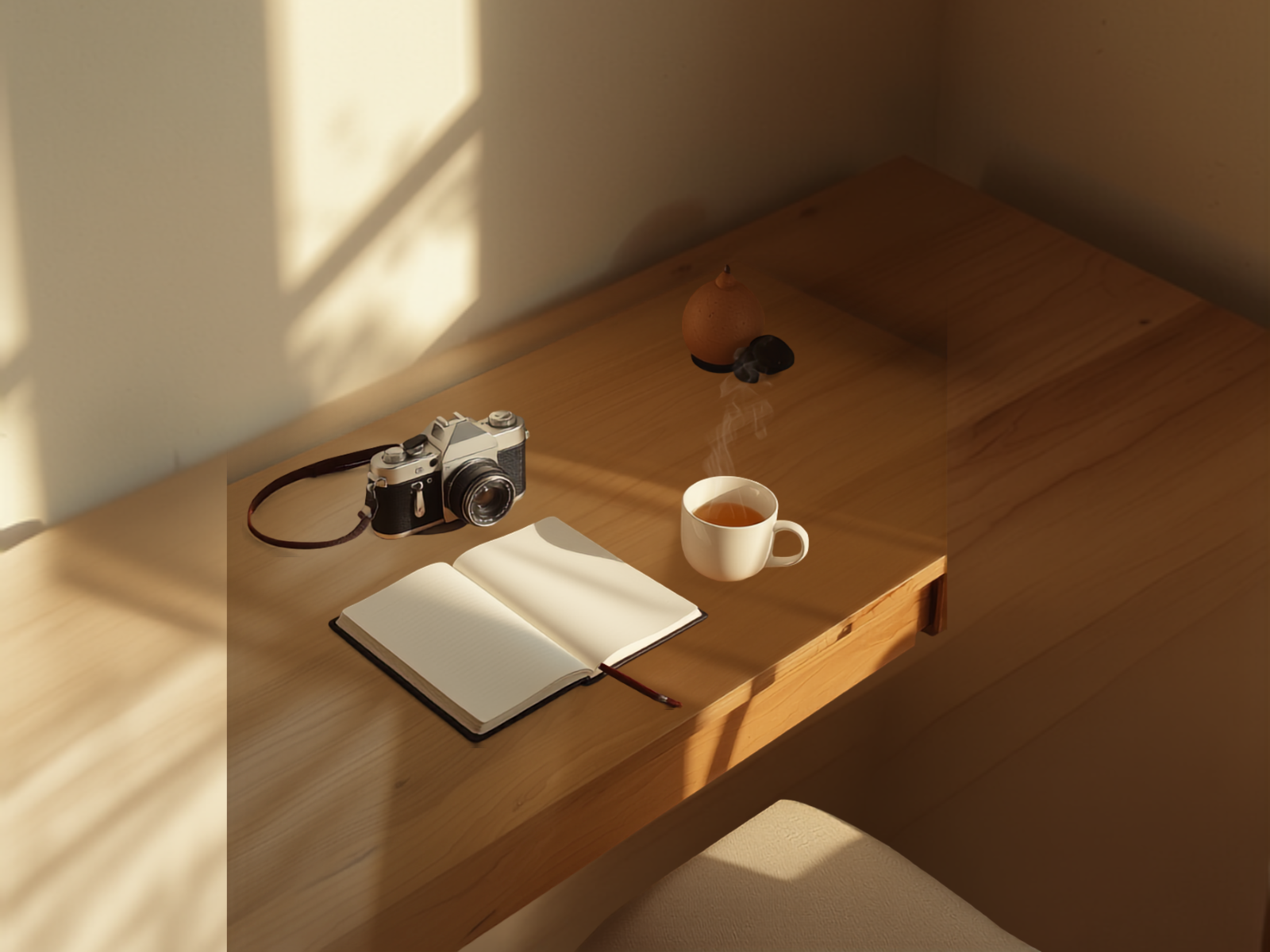
Analog maximalism is the aesthetic cousin of digital privilege, and it shows up in small, specific choices rather than a wholesale tech purge. Paper planners are having a real moment again, not as a nostalgia trip but because writing a week down by hand forces a kind of attention a shared calendar app doesn’t. Film cameras are back on shelves and in bags, chosen precisely because you can’t preview or delete the shot. Dumbphones, the stripped down devices with no app store and no infinite scroll, have gone from niche to genuinely fashionable, and the trend line has been building for a couple of years now, according to recent market research on the shift toward dumbphones.
None of this requires going all in. The women adopting analog maximalism tend to pick one or two anchors, a paper planner for the week, a dumbphone for weekends, a film camera for trips, and let the rest of their digital life run as normal. It’s a wardrobe of habits, not a manifesto.
Why JOMO Is Replacing FOMO in 2026
FOMO built an entire decade of app design around the fear that stepping away meant missing something. JOMO, the joy of missing out, is the quieter rebellion against that design. It is less about hating technology and more about deciding that missing the group chat for a night is not a loss worth avoiding.
The appeal is not just emotional. People switching to lower stimulation routines, even briefly, tend to report better sleep and a calmer baseline mood, which tracks with what sleep researchers have said for years about screens and the hour before bed. You do not need a clinical study to feel the difference between a night that ends on a phone and one that ends on a book.
The Digital Detox 2026 Playbook: Low-Tech Weekends and Accessories
Here is where digital privilege stops being a philosophy and starts being a Saturday. A low-tech weekend does not mean unplugging entirely. It means picking specific windows, Friday night through Sunday morning, say, and building in friction that makes checking your phone slightly less automatic. A kitchen timer instead of a phone alarm. A physical alarm clock on the nightstand instead of the phone that lives there now. A tote with a paperback in it for the exact moments you would otherwise reach for a screen.
Accessories help because they give the choice a physical form. A leather planner cover, a simple point and shoot camera, a dumbphone kept in a drawer for weekend use while the smartphone stays off in another room, these are not gimmicks. Even a low-tech self-care ritual that has nothing to do with a screen counts. These small choices are what makes digital detox 2026 sustainable rather than a stunt.
Tech Burnout Was the Warning Sign
None of this appeared out of nowhere. Tech burnout has been building for years, and the numbers back up what most people already sense about their own habits. Screen time has crept upward for most adults, and the always on expectation that came with remote work and group chats that never fully close did not help. If any of this sounds familiar, it is worth revisiting some real stress relief techniques for different types of stress, since tech burnout rarely shows up as one single symptom.
What changed in 2026 is that burnout stopped being treated as an individual failing and started being treated as a predictable result of the systems everyone is using. That reframing matters. It moves the conversation away from willpower and toward design, which is why the response has been about building better defaults rather than white knuckling through notifications.
How to Start Without Falling Behind
The fear underneath all of this is obvious. What if stepping back costs you something. The honest answer is that a little friction is normal for the first week, and it fades faster than expected. Start with one boundary you can actually keep, a phone free dinner, a Sunday morning without email, a single low-tech weekend a month. Tell the people who need to reach you what the plan is so silence does not read as an emergency. Then let the habit build from there instead of trying to overhaul everything on day one.
Going offline as a status symbol only works if it is sustainable. A detox you cannot maintain is just a stunt. A boundary you can keep, even a small one, is what makes digital detox 2026 an identity rather than an escape.
Frequently Asked Questions
What does digital detox 2026 actually mean compared to older digital detox trends?
Earlier digital detox trends were framed as temporary breaks or vacations from technology. The 2026 version is less about a one time reset and more about an ongoing identity, the idea that being able to disconnect without consequence is itself a marker of a well built life.
Is analog maximalism just nostalgia for old technology?
Not quite. Analog maximalism borrows old formats like film cameras and paper planners, but the appeal is the friction and attention those formats require, not nostalgia for the decade they came from.
Do I need a dumbphone to participate in this trend?
No. Many women keep their smartphone and simply build in boundaries, like phone free evenings or a paper planner for weekly planning. A dumbphone is one option among several, not a requirement.
What is JOMO and how is it different from FOMO?
JOMO stands for the joy of missing out. Where FOMO treats missing an update as a loss, JOMO treats stepping back from constant updates as a relief worth choosing on purpose.
The Bottom Line on Digital Detox 2026
Digital detox 2026 is not about rejecting technology, it is about deciding when you get to opt out of it. Whether that shows up as a paper planner, a dumbphone for the weekend, or simply a phone free dinner, the underlying flex is the same: proof that your life still works when you are not reachable. That is what makes digital detox 2026 worth taking seriously, not as a trend to perform, but as a boundary worth actually keeping.