

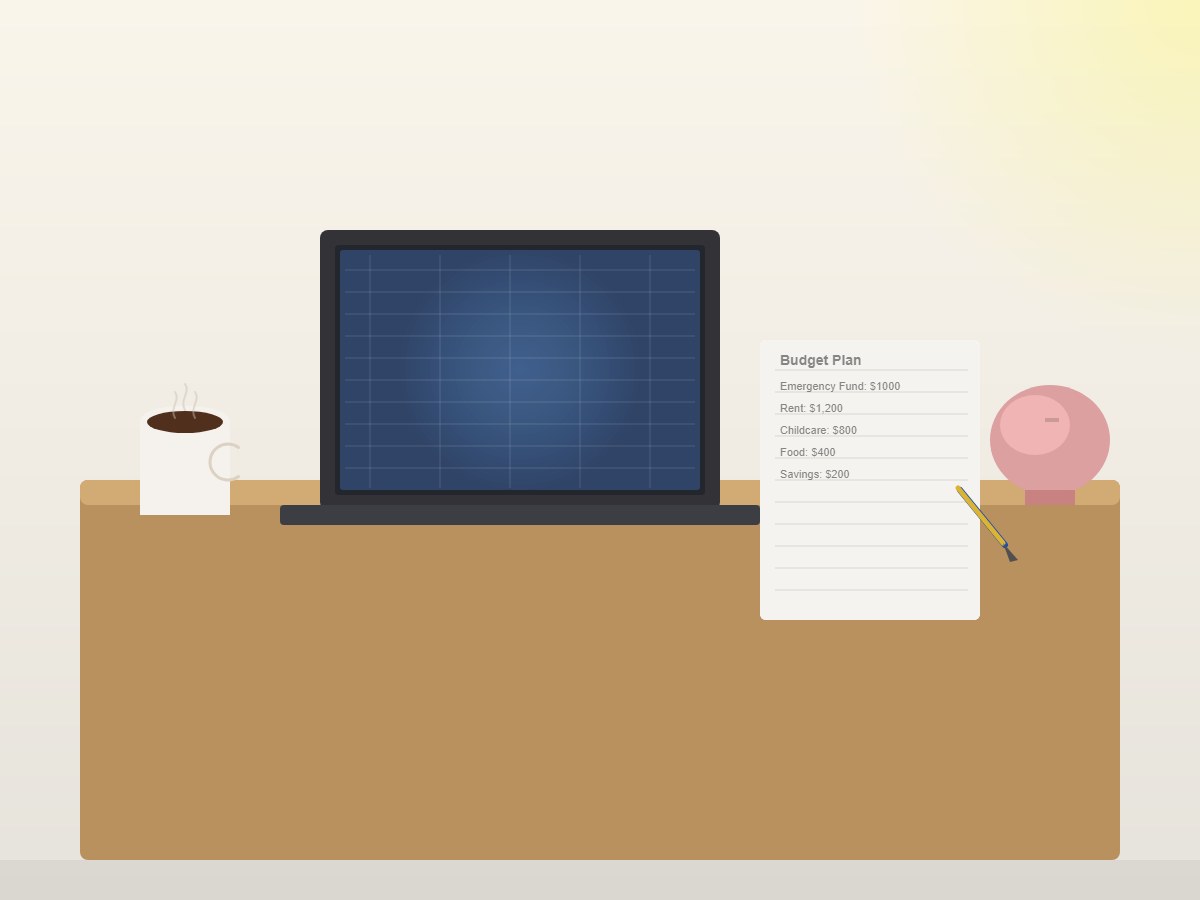
Being a single mom and trying to build savings is one of the hardest financial situations to navigate.
You are managing everything alone. One income. Full childcare costs. No backup from a second earner. And most financial advice was written for households with two salaries.
This guide is written for the reality. Not the version where you cut your coffee and everything gets better. The version where the numbers are tight and the decisions are real.
Start With One Honest Number
Before any savings plan works you need to know exactly what comes in and exactly what goes out every single month.
Most single moms underestimate monthly expenses by 20 to 30 percent because irregular costs like medical bills, school fees, car repairs and clothing are not counted in the regular budget.
Track every expense for one full month. Include everything. That number is your real baseline and everything starts from there.
Build the Emergency Fund First
Before investing. Before extra debt payments. Before anything else.
As a single mom you do not have a partner’s income to fall back on if something goes wrong. A job loss, a car breakdown or an unexpected bill without an emergency fund means debt. Every time.
Start with a goal of one thousand dollars. It is not enough long term but it changes the psychology of your finances immediately.
Once you hit one thousand, move toward three months of essential expenses. Then six months.
Automate a fixed amount to a separate savings account on payday before you see it. Even twenty dollars a week is over one thousand dollars a year.
A Budget Structure That Works on One Income
The standard 50/30/20 rule is not realistic for most single moms in the early stages. Here is a more honest starting structure.
60 percent goes to essential needs. Housing, food, childcare, utilities and transport.
10 percent goes to savings and emergency fund, automated on payday.
20 percent covers variable essential costs. Clothing, school, medical and car.
10 percent is genuine discretionary spending.
As income grows or expenses reduce, shift more toward savings. The priority order is always emergency fund first, then high interest debt, then retirement, then other savings goals.
Government Benefits Most Single Moms Are Not Fully Using
In the US, single moms may qualify for the Child Tax Credit, Earned Income Tax Credit, SNAP food assistance, CHIP or Medicaid for children, childcare subsidies through CCAP and Section 8 housing assistance.
In the UK, single parents may qualify for Child Benefit, Universal Credit, Free School Meals, Council Tax Reduction and the Help to Save scheme which matches government savings at 50 pence per pound saved.
Check eligibility every year because income changes change entitlements. Benefits left unclaimed are money already earned that is not being collected.
Investing on a Single Income
This feels impossible before the emergency fund is in place. Once it is, even small amounts invested early make a real difference.
If your employer offers a 401k with matching contributions, get the full match first. That is a 50 to 100 percent instant return on your money before the market does anything.
If there is no employer match, open a Roth IRA. Contributions grow tax free and you can withdraw what you put in before retirement age if you need to, which matters for single moms who need flexibility.
Start with whatever you can automate without feeling it. Twenty five dollars a month consistently over twenty years is meaningful retirement money.
Increasing Income Not Just Cutting Costs
Every financial guide for single moms focuses on cutting expenses. Cutting expenses has a floor. Increasing income does not.
A second income stream does not need to be a full second job. Selling unused items, freelancing one skill you have, tutoring or consulting for five to ten hours a month.
An extra three hundred dollars a month directed entirely toward savings or debt changes the timeline of financial stability significantly.
A Realistic One Year Goal
By the end of year one, aim to have one thousand dollars in a separate emergency fund, a clear picture of your real monthly expenses and income, at least some retirement contribution automated however small, and one government benefit or tax credit fully claimed that you were not accessing before.
That is not everything. It is enough to build from.
For the mindset that supports financial discipline, see our guide on loud budgeting for women. For the longer term wealth building strategies, read our money habits to build wealth guide. For the career moves that increase single income earning power, how to build a personal brand as a woman covers the strategies that open higher income doors.
External reference: Ramsey Solutions: Budgeting Tips for Single Moms | US News: The Single Mom’s Guide to Investing
Frequently Asked Questions
How should a single mom start saving money?
Start by tracking every expense for one full month to find the real baseline. Then automate a fixed savings amount on payday before it enters your spending account, starting with whatever is realistic even if it is small. The emergency fund of one thousand dollars comes before everything else.
What is a realistic savings goal for a single mom?
A realistic first goal is one thousand dollars in a separate emergency fund. Long term, three to six months of essential expenses is the target. Retirement contributions however small should begin as soon as the emergency fund reaches one thousand dollars.
What financial benefits can single moms claim in the US?
Single moms in the US may be eligible for the Earned Income Tax Credit, Child Tax Credit, SNAP food assistance, CHIP or Medicaid for children, childcare subsidy programs and Section 8 housing assistance. Eligibility is income based and should be checked every year as circumstances change.
Should a single mom pay off debt or save first?
Build a small emergency fund of one thousand dollars first. Then tackle high interest debt above 7 percent. Then return to building the emergency fund to three months of expenses. Without any emergency fund, every unexpected cost becomes new debt and the cycle continues.
Can a single mom invest with a small income?
Yes. Starting with a 401k employer match if available, or a Roth IRA with twenty five to fifty dollars per month automated, builds meaningful retirement savings over time. The key is starting early however small the amount because time in the market matters more than the size of the initial investment.