

Psyllium husk has quietly become one of 2026’s most talked about fiber supplements, showing up in grocery carts, wellness routines and GLP-1 adjacent supplement stacks everywhere. It is not new. It has sat in the supplement aisle for decades under names like Metamucil. What changed is how people are using it now, less as an occasional remedy for constipation and more as a daily habit for gut health, blood sugar support and simple regularity.
Psyllium husk is a soluble fiber that absorbs water and forms a gel in your digestive tract. It can ease constipation, help manage blood sugar and lower LDL cholesterol, and it has prebiotic qualities that support gut bacteria.
Quick Take
What Psyllium Husk Actually Is
Psyllium husk comes from the seeds of the Plantago ovata plant. Once ground into powder or sold as whole husks, it becomes a soluble fiber supplement that absorbs water and forms a thick gel as it moves through your digestive tract. That gel adds bulk to stool and helps everything move more smoothly, which is why it has been the base ingredient in Metamucil for generations. What is newer is people using it on its own, plain and unflavored, stirred into water or a smoothie rather than a sugary powdered mix.
Why It Is Suddenly Everywhere
Part of the renewed interest comes from GLP-1 medications. People on appetite suppressing medications eat less overall, which can mean less fiber and more digestive discomfort, so psyllium has become a common recommendation to fill that gap. Part of it is simple budget wellness. A tub of psyllium husk powder costs a fraction of most trending supplements and lasts months. And part of it is that gut health content has stayed popular long enough that people are finally looking past probiotics toward the fiber side of the equation, which research suggests matters just as much.
What It Actually Does For Your Body
According to Cleveland Clinic, psyllium husk can ease constipation, help manage blood sugar and lower LDL cholesterol by reducing how much cholesterol your body absorbs from food. It also has prebiotic qualities, meaning gut bacteria ferment a small amount of it and produce short chain fatty acids like butyrate, which support gut lining health. This is not a supplement that works overnight or dramatically. It is a slow, cumulative kind of helpful, the type of thing that matters more after a month of consistent use than after one glass.
How To Actually Use It Without It Being Weird
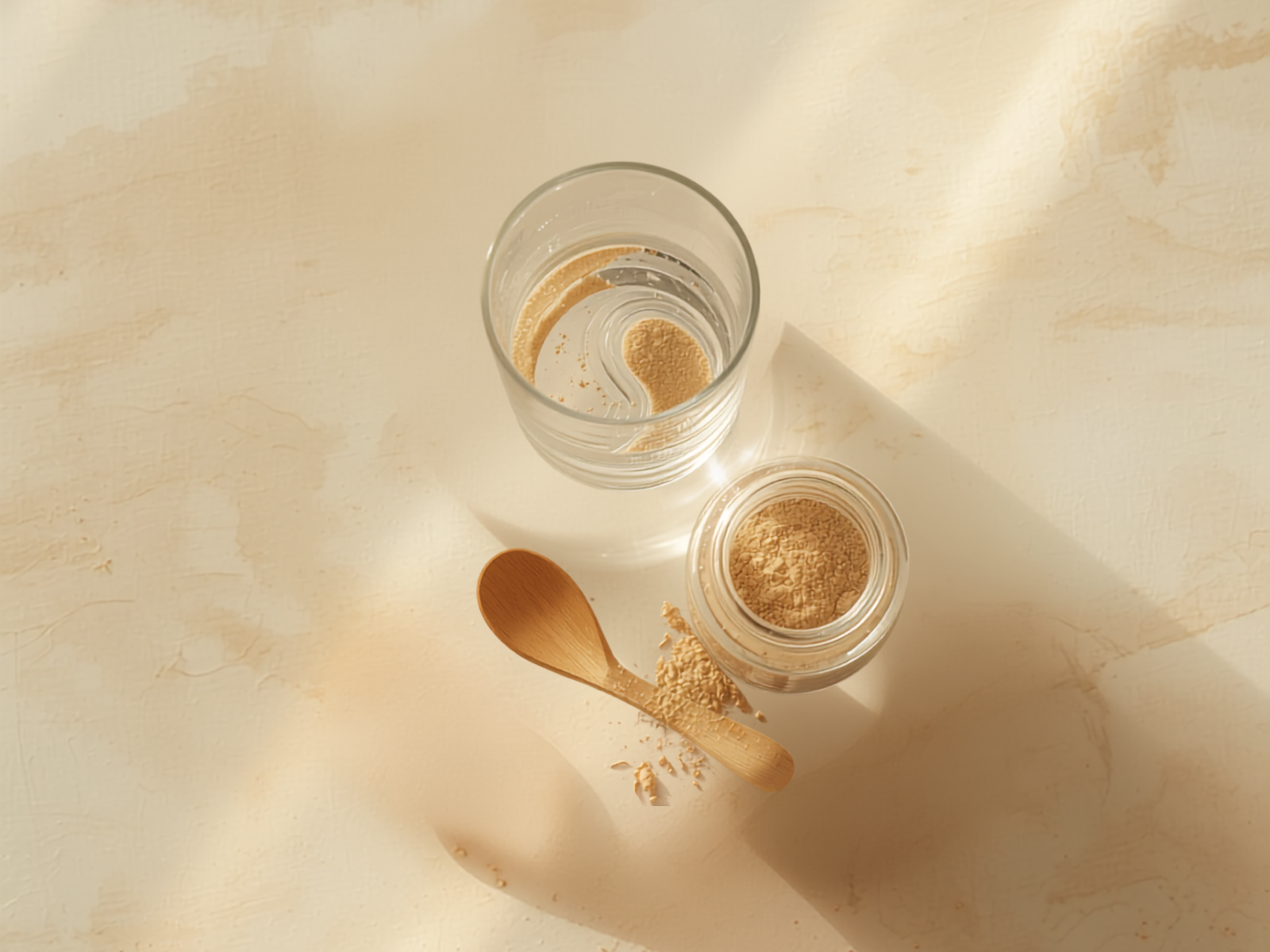
The biggest mistake people make is starting with a full dose on day one. Psyllium husk expands fast when it hits liquid, so start with one teaspoon mixed into a full glass of water and drink it immediately, before it thickens in the glass. Increase slowly over a week or two as your body adjusts. It works well stirred into a smoothie, mixed into oatmeal, or taken plain if you do not mind the texture. What matters most is drinking enough water alongside it, since psyllium without enough fluid can actually make things worse instead of better.
What To Look For When Buying It
Whole husk, powder and capsules all deliver the same core fiber, so the format mostly comes down to preference. Whole husk tends to gel the fastest and is the least processed option. Powder is easier to mix into smoothies and baking. Capsules are the simplest if you do not want to deal with texture at all, though you typically need several to match one teaspoon of powder. Whatever the format, look for unflavored, non-GMO options without added sugar, since some flavored fiber powders undo part of the benefit with extra sweeteners.
A Few Worth Trying
If you want a straightforward whole husk powder, NOW Foods Whole Psyllium Husks is a reliable, well reviewed option that mixes cleanly into water. For a finer, smoothie friendly powder, NOW Foods Psyllium Husk Powder dissolves more easily than whole husk. If capsules fit your routine better, Nutricost Psyllium Husk Capsules are a simple, no mixing option. And if you would rather stick with the original, Metamucil 4 in 1 Fiber Supplement remains a sugar free, orange flavored option that a lot of people already know works for them.
Psyllium Husk Versus Other Fiber Supplements
Compared to inulin or chia seed, psyllium husk gels more predictably and is generally gentler on digestion for people who are new to fiber supplements, since inulin tends to ferment faster and cause more gas in sensitive stomachs. Chia seed offers similar soluble fiber but comes with more calories and fat per serving, which matters if you are already tracking intake closely. Psyllium is also simply more studied, with decades of research behind its cholesterol and digestive effects compared to some of the newer fiber trends circulating right now.
Side Effects and Who Should Be Careful
Bloating and gas are common in the first week or two as your gut adjusts, and they usually settle down once your body gets used to the added fiber. Taking psyllium without enough water is the most common cause of it backfiring into worse constipation rather than better digestion. Anyone with a history of bowel obstruction, difficulty swallowing, or who is on medication that needs to be taken at a specific time relative to fiber should talk to a doctor first, since psyllium can affect how some medications are absorbed if taken too close together.
The Bottom Line
Psyllium husk earning a moment in 2026 is one of the rare wellness trends that actually holds up under scrutiny. It is cheap, well studied and does what it claims to do when used consistently and with enough water. It is not glamorous, and it will not show up as a dramatic before and after on anyone’s feed, but that is often a decent sign that a supplement is worth the hype rather than just riding it. If gut health is a bigger interest for you, our piece on gut health and hormone balance goes deeper into that connection, and if PMS bloating is part of why you are here, our guide on managing PMS naturally is worth a read too.
If you are building a low key wellness routine this year, our piece on 2026’s sober wellness trends covers a few more habits worth trying.
Worth Bookmarking
Frequently Asked Questions
What does psyllium husk do?
It is a soluble fiber that absorbs water and forms a gel in your digestive tract, easing constipation, supporting healthy blood sugar and helping lower LDL cholesterol.
How much psyllium husk should I take?
Start with one teaspoon mixed into a full glass of water and increase slowly over one to two weeks, always drinking plenty of water alongside it.
Can I take psyllium husk every day?
Yes, daily use is generally considered safe for most people, though anyone with swallowing difficulties or bowel conditions should check with a doctor first.
Does psyllium husk help with weight management?
It can support satiety and healthy digestion, which some people find helpful alongside other habits, though it is not a standalone weight loss solution.